
Feasibility Studies
-
What is a feasibility study?
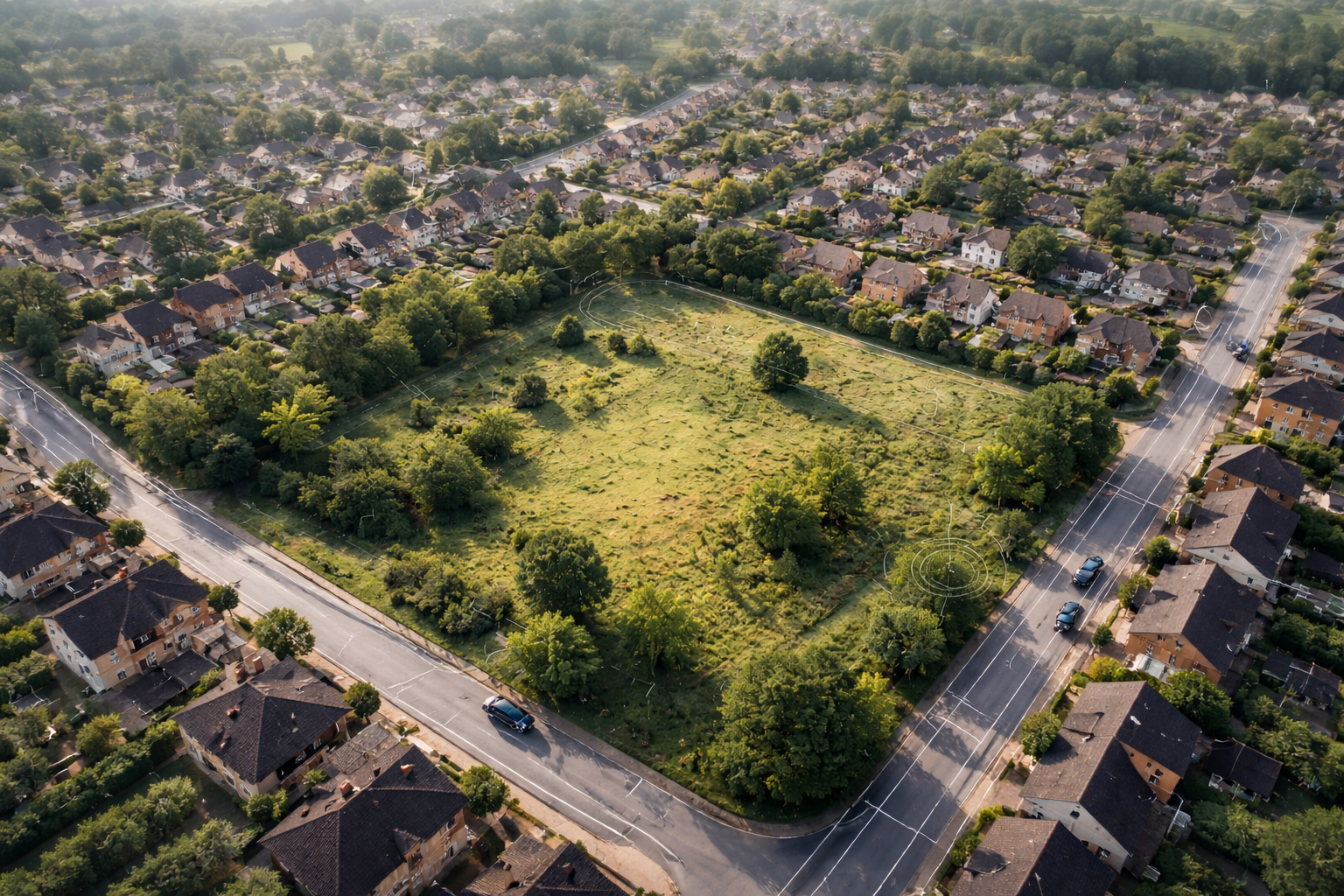
A feasibility study is the first step in your project. It helps you understand what is realistically possible on your site before committing to full design or planning.
At this stage, we review planning rules, site constraints, sustainability goals, and likely costs. We test your ideas to see what could work, what might be challenging, and whether the project is viable.
You will leave this stage with a clear understanding of your options and the confidence to decide what to do next.
-
How feasibility studies support your project
Through a structured feasibility process, we can:
Test development potential – assessing what is realistically achievable within planning, site, and policy constraints.
Identify key risks early – highlighting issues that could affect viability, programme, or cost before they become embedded.
Inform budget expectations – providing early insight into likely project costs to support informed financial decisions.
Align objectives – ensuring design ambition, sustainability goals, and practical constraints are considered together.
Support next steps – helping determine whether to proceed to design and planning, refine the brief, or reassess options.
-
Why this matters
Without a robust feasibility stage, projects can progress based on assumptions rather than evidence. This often leads to redesign, delays, or abortive costs once constraints become apparent.
A well-considered feasibility study helps avoid these issues by establishing a realistic foundation from the outset, allowing time and investment to be focused where it adds the most value.
-
A joined-up approach
Feasibility studies form the foundation of our wider design and delivery services. Early findings are carried through to later stages, supporting continuity as the project develops. You’ll have clarity on opportunities, constraints, and risks, giving you confidence to move forward.